
ADVICE · JUNE 15, 2026 · BY DAVID MELNYCHUK
Drywall and Plaster: Repair or Replace? How We Actually Decide
Every older home around Lancaster and Reading eventually asks the same question: are these walls worth saving? The answer decides thousands of dollars, so it deserves better than a guess. Here is the actual decision process we use on site.
The tap test and what it tells us
Plaster walls are three coats over wood lath, held on by keys of plaster squeezed between the boards. Tap across the wall: a solid thunk means the keys are holding, a hollow rattle means the plaster has separated and is hanging on by habit. Small hollow areas can be reattached with plaster washers or adhesive. Whole hollow walls are past saving.
When repair wins
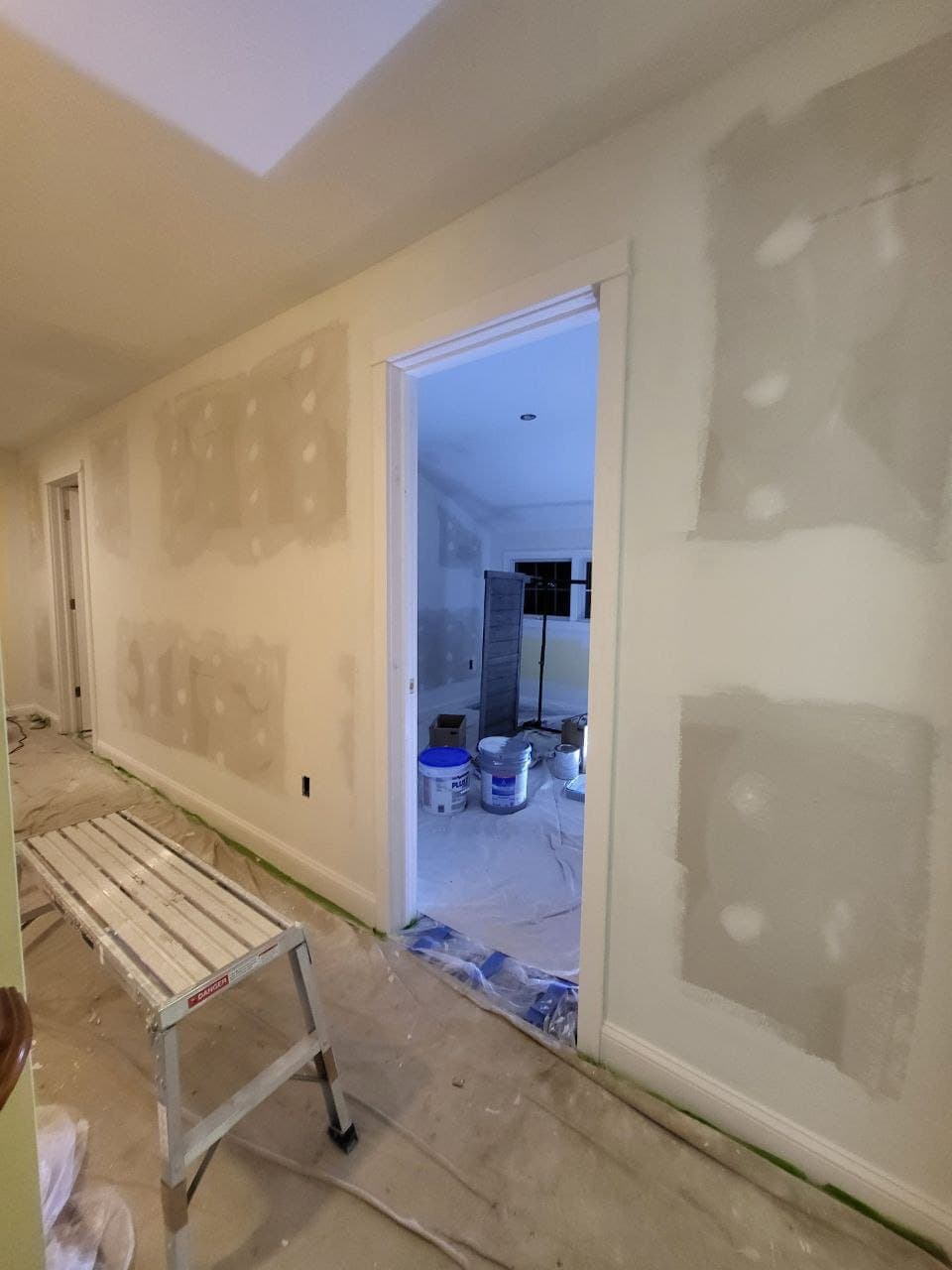
Repair and skim coating is the right call when most of the field is sound:
- Cracks that follow settlement lines but the wall is tight
- A few holes or damaged sections in otherwise solid walls
- Ugly texture or wallpaper damage over good plaster
- You want to keep original trim undisturbed, which demolition rarely allows
When replacement is honest
We recommend tearing out and hanging new drywall when:
- Large areas fail the tap test or bulge visibly
- Water damage has softened the plaster or rotted the lath
- Walls are opening anyway for wiring, plumbing or insulation
- Ceilings sag: overhead plaster failure is a safety issue, not a cosmetic one
The middle option nobody mentions
Overlaying sound but ugly plaster with thin drywall keeps demolition mess near zero and delivers flat new walls. It costs less than a gut, adds only a quarter inch and works beautifully on stable but tired walls. The tradeoffs are slightly deeper window returns and refit trim, which a careful crew handles as part of the job. Ask about it before agreeing to a full tear out. We do all three approaches and quote the one the wall actually needs.
Questions we hear a lot
Why does my plaster crack in the same place every year?
Seasonal movement. The house expands and contracts with humidity, and the crack is the expansion joint the builders never installed. Repairs that bridge the crack with mesh and setting compound survive the cycle. Plain spackle does not.
Is plaster better than drywall?
Old plaster is harder, quieter and part of your home's character. New drywall is flatter, cheaper and easier to repair. When plaster is sound we save it. When it is failing, replacement is not a loss, it is maintenance a century deferred.