
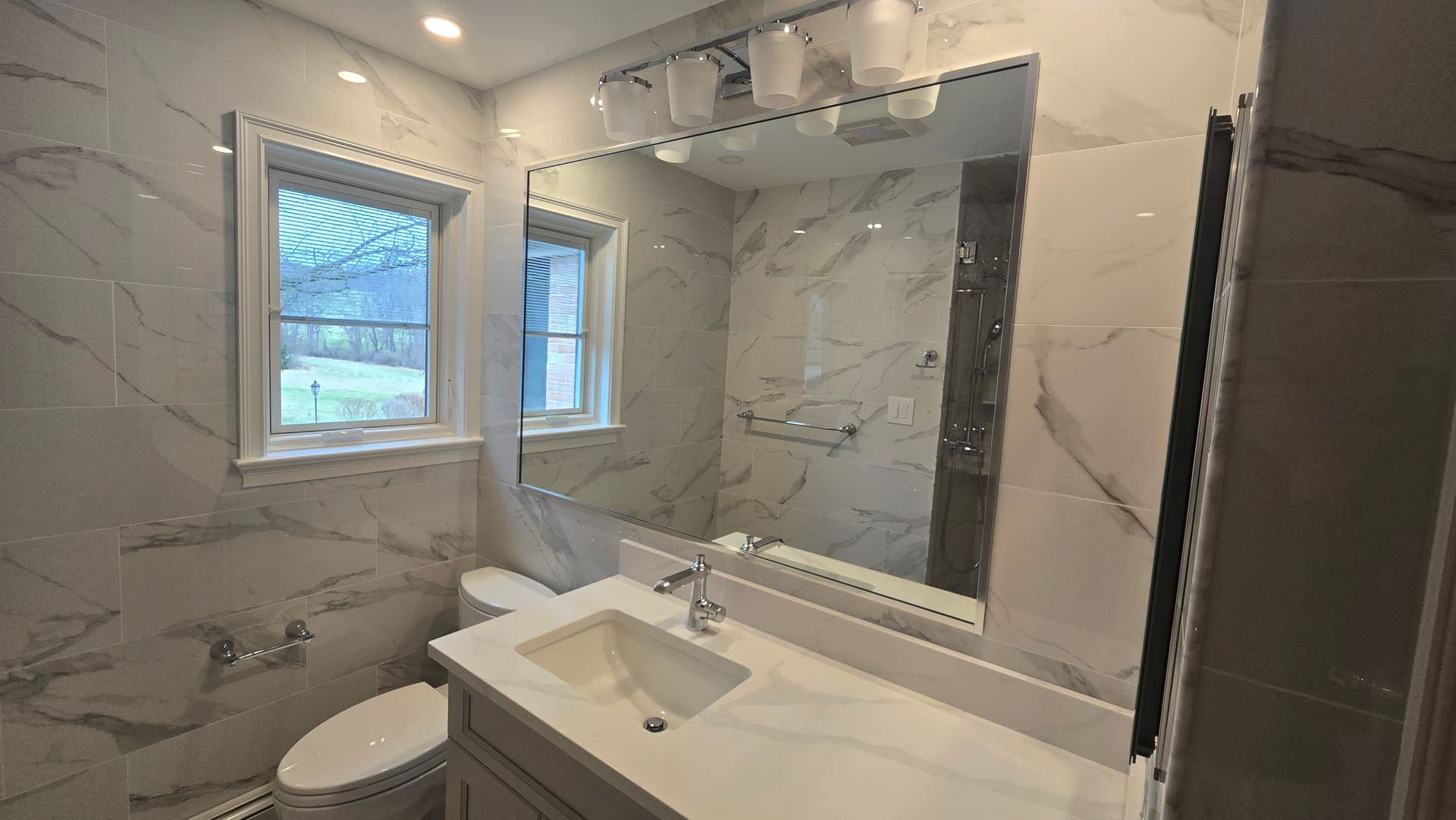
ADVICE · MAY 12, 2026 · BY DAVID MELNYCHUK
Shower Grout Keeps Cracking? The 5 Real Causes and What Actually Fixes It
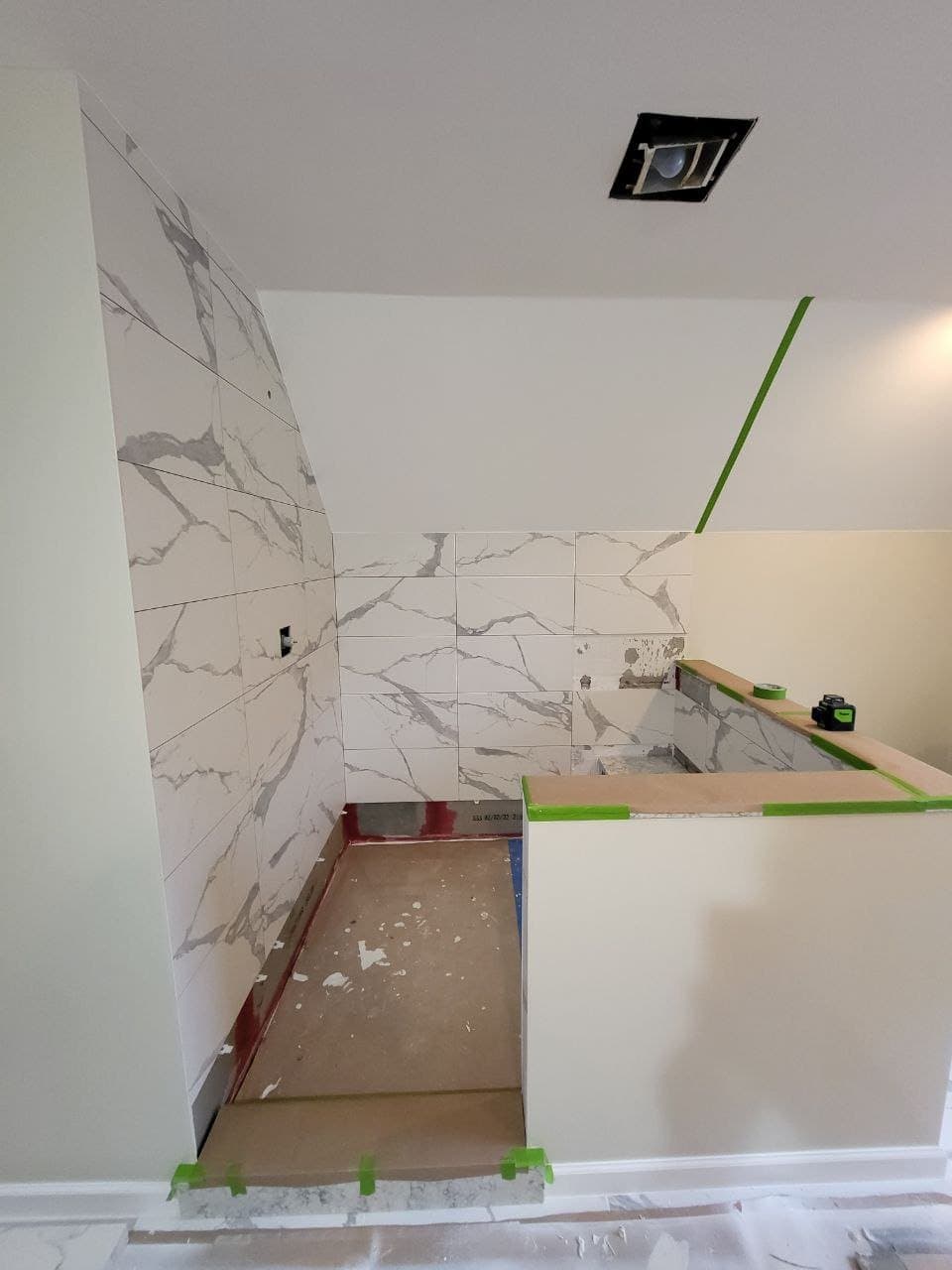
You scraped out the cracked grout, mixed a fresh batch, packed the joints, and by Thanksgiving the same lines opened up again. We hear this story on tile repair calls all over Lancaster and Chester County. Here is the uncomfortable truth: grout does not crack because the grout was bad. It cracks because something underneath it is moving, and no amount of regrouting fixes movement.
This post walks through the five root causes we actually find behind cracking grout, which DIY fixes are worth your Saturday, and the warning signs that mean the problem is no longer cosmetic.
Why shower grout cracks: the 60 second version
Cement grout is rigid. It is essentially a thin band of concrete bridging your tiles, and like concrete, it handles compression well and movement badly. A tiled wall or floor is an assembly: framing, substrate, thinset, tile, grout. When any layer in that stack flexes, shrinks or shifts, the most brittle visible layer takes the damage. That layer is the grout.
So a cracked grout line is a message, not a defect. The message is: something under here moved. The whole job of diagnosis is figuring out which of the five usual suspects is doing the moving, because the fix is different for each one.
A practical order for the detective work, cheapest suspect first: look at the corners, then tap for hollow tiles, then note where and when the cracks appear. Corner cracks point to cause 1. Hollow sounds point to causes 2 and 4. Straight midfield lines suggest cause 3, and cracks that open in winter and nearly close in summer suggest cause 5. Ten minutes of looking usually names your suspect.
Cause 1: grout in the corners where caulk belongs
This is the most common cause and the cheapest to fix. Every change of plane, wall meeting wall, wall meeting tub, wall meeting floor, is a joint between two surfaces that expand and move independently. Industry standards from the Tile Council of North America call for a flexible sealant at these transitions, not cement grout. A lot of installers grout them anyway because it looks cleaner on day one.
Grouted corners crack within the first year or two, almost guaranteed. If your cracks run neatly along inside corners and along the tub edge while the flat wall joints look fine, this is your answer, and it is a genuine DIY fix: rake out the cracked corner grout, clean and dry the joint, and run a bead of 100 percent silicone in a matching color. Sanded caulk exists in most grout colors. An hour of work, under $20 in materials.
Cause 2: the structure behind the tile is moving
Tile wants a stiff home. When it does not get one, grout cracks in patterns: long horizontal lines at a consistent height, cracks radiating across a floor, or grout that crumbles near a doorway where foot traffic flexes the subfloor. Common culprits we open walls and find: studs at 24 inch spacing carrying tile board rated for 16, missing blocking behind seams, and floor joists that bounce enough to rattle a cabinet.
The tile industry uses deflection limits for a reason. A floor that feels slightly springy underfoot is far too lively for a rigid tile assembly. No grout, no matter the brand or price, survives on a trampoline.
The honest fix here is structural: sistering joists, adding blocking, or replacing an undersized substrate. That is remodel scope, not a tube of anything. If the movement is minor and confined, a flexible urethane grout can buy years, but it is a bandage on a knee that still wobbles.
Cause 3: no movement joints anywhere
Large tiled surfaces need planned soft joints, spots where flexible sealant interrupts the rigid field so the assembly can breathe. TCNA guidelines call for movement accommodation in tile work, especially on bigger surfaces, at perimeters and where tile meets other materials. On a standard 5 by 8 bathroom this mostly means the perimeter joints. On big walk-in showers, heated floors and sunlit walls, it means actual joints within the field.
Skip them and the field makes its own movement joint, wherever it pleases, in the form of a crack. If your shower is large, gets direct sun through a window, or sits over radiant heat, and cracks appear midfield in straight runs, missing movement joints are a prime suspect.
One related spot people miss: a window inside a shower. Its entire perimeter is a joint between tile and a frame that expands at a different rate, which means flexible sealant, not grout, all the way around. Grouted window returns crack on schedule, almost every time.
Cause 4: bad substrate or starved thinset
Some cracking traces to the day of installation. Tile set over regular drywall in a wet area, mastic adhesive used in a shower where it slowly rehydrates, or thinset spread thin so each tile grips by a few ridges instead of full coverage. Voids under tile flex under hand pressure, and the grout around those tiles cracks and powders out.
There is a simple test. Tap tiles near the cracked grout with a coin and listen. Well bonded tile sounds dull and solid. Hollow clicks mean voids or a bond that is letting go. A few hollow tiles at a corner is a watch item. Hollow sounds across a whole wall, paired with cracking grout, means the installation is failing as a system, and regrouting it is repainting a car with a bent frame.
Cause 5: the house itself is settling
New construction moves. Framing lumber dries and shrinks for a year or two after the house is built, and tiled showers finished in month one collect hairline grout cracks by month eighteen. Older homes move too, on a slower rhythm: Pennsylvania humidity swings make framing swell in July and shrink in January, and a few hairlines at seasonal joints are normal life, not negligence.
The tell is timing and scale. Fine cracks that appear in a new home's first two years, or that open slightly each winter and nearly close each summer, are settling and seasonal movement. Cracks that widen steadily year over year, or that come with doors sticking and drywall cracks elsewhere in the house, deserve a structural look before anyone talks about tile.
DIY fixes that work, and the ones that waste a Saturday
Six common repairs, sorted by whether they actually hold:
- Works: recaulking changes of plane. Rake out cracked corner grout, dry the joint, run color matched 100 percent silicone. This one genuinely solves cause 1.
- Works: regrouting a small, sound area. If tiles are solid and the cracking had a one time cause, raking joints to half depth and regrouting holds fine.
- Works: sealing grout annually. Does not prevent cracks, but slows staining and surface wear. Ten minutes with a sealer bottle.
- Wastes a Saturday: grout over old grout. New grout skinned over cracked grout has nothing to grip. It flakes out within months.
- Wastes a Saturday: clear silicone smeared across cracked field joints. It yellows, peels, collects mildew, and makes the eventual proper repair harder.
- Wastes a Saturday: regrouting the same joints every year. If cracks return in the same lines, movement is the disease. Treat the disease.
When cracking means the waterproofing is failing
Here is the part that matters most. Grout was never your waterproofing. Cement grout is porous, and a correctly built shower stays dry through its membrane behind the tile, not its grout lines. So a hairline crack does not automatically mean water damage.
We rebuilt exactly this situation in Downingtown: a shower that had been regrouted repeatedly while water quietly worked through a failed pan. The full story with photos is here: leaking shower rebuild in Downingtown. By the time it reached us, the framing needed repair too. Catch it a year earlier and the job is thousands cheaper.
At that stage the honest answer is a rebuild, not a repair. Around here a custom tile shower rebuild typically prices at $6,000 to $13,000 in labor. Ours usually run $5,000 to $12,000, because one crew handles demo, framing repair, waterproofing and tile without idle days between subs. Details on how we build them are at tile installation. And to be fair the other way: if your cracks are confined to corners and the walls sound solid, do not hire us or anyone else. Buy the silicone.
The signs that cracking has crossed from cosmetic into failure:
- Tiles that sound hollow or shift slightly under hand pressure
- Dark staining in grout that does not clean out, especially at the bottom row
- A musty smell that survives cleaning
- Soft baseboard, bubbling paint or a ceiling stain in the room below
- Caulk lines that keep mildewing days after replacement
Questions we hear a lot
Should I switch to epoxy grout to stop the cracking?
Epoxy grout is harder, stain proof and slightly more forgiving, but it does not fix movement. Put it over a flexing substrate and it can crack too, or transfer the stress and crack the tile. Fix the movement first, then epoxy is a fine upgrade.
Is cracked grout the reason my shower leaks?
Rarely by itself. Grout is porous even when perfect, and a sound membrane behind the tile keeps water in the shower. If you have an active leak, the membrane or pan has failed and regrouting will not stop it.
How often should a shower be recaulked?
Inspect yearly, expect to recaulk every 3 to 5 years. When the silicone pulls away, mildews from behind or hardens, replace it fully. Never caulk over old caulk.