
ADVICE · JUNE 12, 2026 · BY DAVID MELNYCHUK
Why Are Contractor Quotes So Different? The Anatomy of a Remodeling Bid
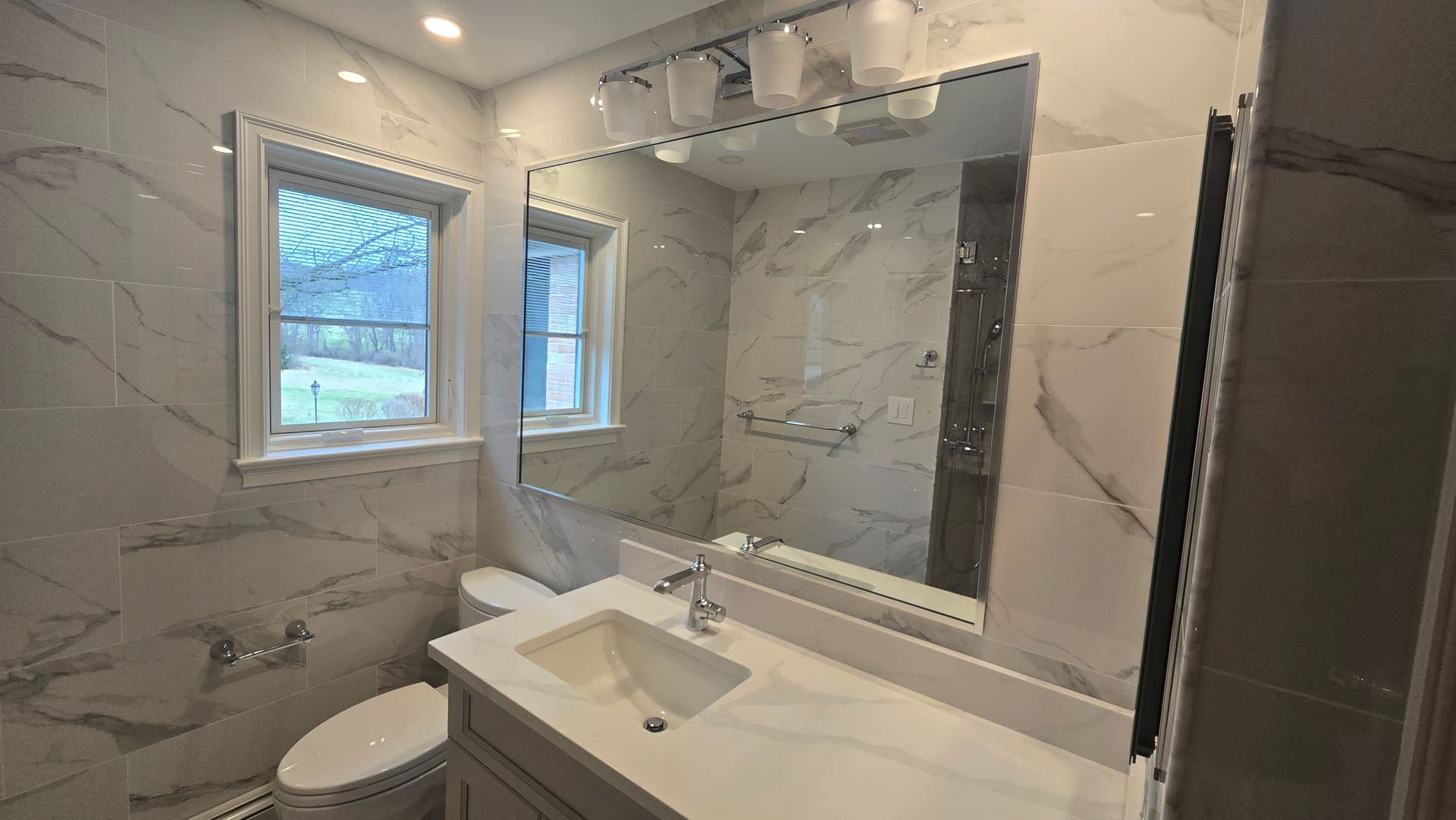
You collected three quotes for the same bathroom: $11,000, $16,500, and $24,000. Same room, same tile photo from your phone, numbers spread by more than double. Most homeowners conclude that one contractor is greedy and one is desperate. The truth is less dramatic: the three of you are not buying the same project. The quotes describe three different scopes, three different overhead structures, and three different ideas of what happens when something goes wrong.
We write quotes for a living and read our competitors' quotes every week when clients share them. Here is what is actually inside a remodeling bid, what the cheap one quietly leaves out, what the high one sometimes pads, and how to force all three onto one honest page.
What a quote is actually made of
Every legitimate remodeling number is built from the same six ingredients. Labor is the biggest: skilled trades in our area bill out at $60 to $110 per hour once payroll costs are loaded. Materials are the visible part, tile and vanities and lumber. Then come the parts homeowners never see. Overhead: the truck, the tools, the shop, the estimating time on jobs that never sign. Insurance: general liability runs a real contractor $2,000 to $6,000 a year, and workers comp adds roughly 8 to 15 percent on top of every payroll dollar. Warranty reserve: money set aside to come back next year and fix the thing that settled. And profit, typically 10 to 20 percent, which is not a dirty word, it is why the company still exists to honor that warranty.
A bid missing any of these is not cheaper. It is incomplete. The insurance either exists or your homeowner's policy is the insurance. The warranty either has money behind it or it is a sentence.
What the cheap quote quietly excludes
The low bid is rarely lying. It is just answering a smaller question. The classic exclusions, in the order we find them:
- Waterproofing. A proper shower membrane system is $800 to $1,500 in materials and labor. The cheap bid tiles straight over drywall and you find out in year four.
- Permits. Filing costs money and time, so the low bid assumes you will not ask. On structural, electrical, and plumbing work, that assumption becomes your problem at resale.
- Debris. A dumpster and disposal run $400 to $600 on a bathroom. Somebody pays it, or the pile lives on your driveway.
- Protection. Floor runners, dust barriers, daily cleanup. Skipping it saves hours and costs you a scratched hardwood hallway.
- Insurance itself. The gap between an insured and uninsured bid on identical work is often 15 to 20 percent. That is the entire mystery of many low bids.
- A written scope of surprises. No language about what happens when demo reveals rot means that conversation happens later, with leverage on their side.
What the high quote sometimes pads
Fairness cuts both ways. High bids are sometimes high for reasons that do not buy you anything. Allowance stuffing: setting the tile allowance at $18 per square foot when you picked a $5 porcelain lets the final invoice shrink impressively while the contract number scared off comparison. Layered markup: a general contractor who subs out demo, plumbing, tile, and drywall marks up each sub 15 to 25 percent, so you pay four margins for one bathroom. We covered that structure in one contractor vs subcontractors. Prestige pricing: some established companies price high simply to filter for clients who do not ask questions.
And sometimes the high bid is high because it is the only complete one. That is precisely why you cannot judge by the number alone. You have to normalize.
How to normalize three quotes onto one page
This takes an evening and it is the highest paid hour of your project. Make a table with one row per line item and one column per contractor, then work through four passes:
- Pass 1, scope: list every item any of the three bids mentions: demo, waterproofing, permit, debris, tile labor, fixtures, paint, protection, cleanup. Mark each bid included, excluded, or silent. Silent counts as excluded.
- Pass 2, fill: for every excluded or silent item, add its market cost to that bid: permit $200 to $500, dumpster $400 to $600, waterproofing $800 to $1,500. Now the numbers describe the same project.
- Pass 3, allowances: set every material allowance to what you actually plan to buy. This deflates padded bids and inflates teaser bids at the same time.
- Pass 4, paper: note registration, proof of insurance, warranty terms in writing, and payment schedule. A bid can lose here after winning on price.
A worked example: three bathroom bids, one honest table
Take the numbers from the top of this post and run the passes. The $11,000 bid, read closely, is silent on the permit, names no waterproofing system, and says nothing about debris or floor protection. Add market costs: $350 permit, $1,100 waterproofing, $500 dumpster, $300 protection. The real number is about $13,250, and the contractor could not produce an insurance certificate when asked, which explains most of the remaining gap. The $16,500 bid itemized all of it, named the membrane system, and carried a two year written warranty. The $24,000 bid included everything too, but its tile allowance was $18 per square foot against the $6 porcelain actually chosen, and demo, plumbing, and tile were each subbed out with markup stacked on markup. Adjust the allowance and the honest comparison lands near $21,000.
So the true field is $13,250 uninsured, $16,500 complete, and $21,000 padded. The mysterious spread was never about greed or desperation. It was three different answers to questions the homeowner had not asked yet. One evening with a table turned a coin flip into an obvious decision, and that is the entire point of the exercise.
Five minutes of questions that expose everything
You do not need to be a construction expert to sort three bidders. Ask each one the same five questions and write down the answers:
- Are you registered as a home improvement contractor in PA? Then check the number yourself on the Attorney General's search. We walked through it in how to verify a PA contractor license.
- What waterproofing system goes in the wet areas, by name?
- Who exactly swings the hammer: your employees or subs you found last month?
- What is excluded from this number? Watch whether the answer is specific or hurt.
- How do you price surprises found during demo, and is that process in the contract?
When the cheap quote is genuinely fine
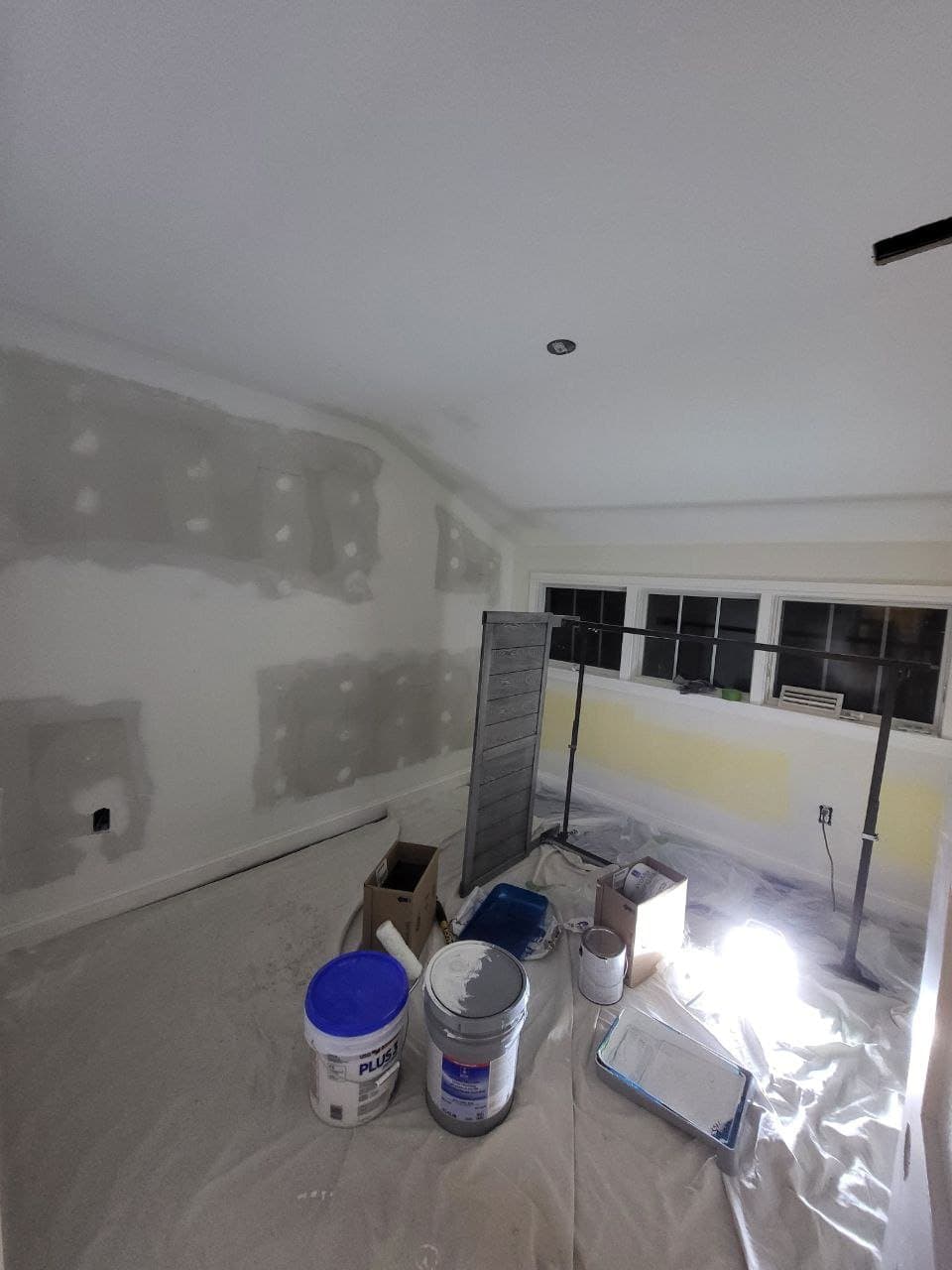
Honest moment: not every job needs the full apparatus. A drywall patch at $250 to $600, a door swap, a paint refresh, these are jobs where a good handyman with modest overhead is the right buy, and hiring a full remodeling company for them means paying for machinery the job does not need. We tell callers this weekly. The apparatus earns its cost when the job involves water, structure, electrical, or more than one trade in sequence, because that is where the exclusions and the missing insurance stop being theoretical.
The rule of thumb: the more trades a job touches, the more the cheap bid's silence costs. A one trade job, take the value price. A five trade bathroom, buy the complete scope.
How we quote, for the record
Since this whole post invites you to audit us: our quotes itemize demo, materials by allowance you can adjust, labor, permit, debris, and protection, with exclusions named instead of implied and a written process for hidden conditions. One in-house crew does the work, which removes the layered sub markups, and that is the honest reason our numbers usually land 5 to 10 percent under comparable complete bids rather than any magic. You can see the finished results across our project case studies and the full trade list on the interior remodeling page.
Whoever you hire, make them describe the same project on the same page as their competitors, then choose. Contractors who survive that comparison were never afraid of it. And if a bidder gets offended by the questions above, that reaction is also information. We wrote up the rest of the warning signs in remodeling contractor red flags.
Questions we hear a lot
Should I just take the middle quote?
No. The middle number is only meaningful if all three bids describe the same scope, which they almost never do out of the envelope. Normalize the scopes first. The middle bid is sometimes the thinnest scope with healthy margin, which is the worst of both.
How many quotes should I get for a remodel?
Three is the sweet spot for anything over a few thousand dollars. Two gives you no pattern, and five costs you weeks while telling you little more than three. Spend the saved time normalizing the three you have.
Is the most expensive contractor the best one?
Sometimes, and sometimes you are buying their office lease. Price correlates with completeness of scope, insurance, and stability, not with tile skill. Judge craftsmanship from finished projects and references, judge the number from the normalized table, and only then let the two verdicts meet.